Home › Services › Commercial › Commercial Energy Efficiency
Commercial Service
Commercial Energy Efficiency
Reduce your energy bills and carbon footprint with proven electrical energy efficiency solutions — from voltage optimisation to smart monitoring.
What's Included
Voltage Optimisation
Reduce mains voltage to the optimal operating level, cutting energy consumption by 8–15% across all electrical loads.
Power Factor Correction
Improve power factor to reduce reactive power charges from your energy supplier.
Energy Monitoring
Sub-metering and real-time energy monitoring to identify waste and track savings.
LED Lighting Retrofit
Replace legacy fluorescent and halogen lighting with high-efficiency LED — typically 50–70% energy savings.
Smart Controls & Timers
Occupancy sensors, daylight linking and smart scheduling to eliminate wasted energy.
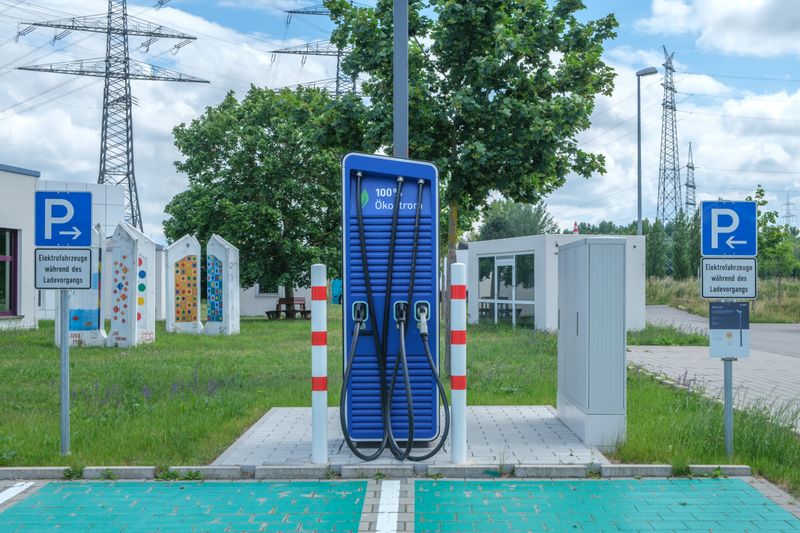
EV Charging Infrastructure
Workplace EV charging points with load management to minimise grid demand charges.
Why It Matters
Real, Measurable Savings
Voltage optimisation and LED retrofits deliver quantifiable ROI — we provide pre and post-installation monitoring to prove savings.
Net Zero Obligations
Commercial businesses face increasing pressure to reduce carbon emissions. Our solutions provide a clear pathway to measurable reduction.
Fast Payback
LED retrofits typically pay back within 2–3 years. Voltage optimisation within 3–5 years depending on energy tariffs and consumption.
Cutting Energy Costs for West Midlands Businesses
Electricity costs represent one of the largest and fastest-growing overheads for commercial businesses in the West Midlands. With energy prices remaining well above pre-2021 levels and increasing pressure on businesses of all sizes to demonstrate measurable carbon reduction, the financial and reputational case for investing in electrical energy efficiency has never been stronger. FACE Electrical helps commercial businesses across Birmingham, Wolverhampton, Coventry, Walsall and the surrounding region identify, prioritise and implement the electrical efficiency measures that deliver the fastest return on investment.
Our process begins with an energy audit — reviewing your electricity bills, surveying your installed equipment and pinpointing exactly where energy is being wasted. We then produce a clear written report with project costs, projected annual savings and payback calculations for every recommended measure, so you can make informed investment decisions. LED lighting retrofits are typically the quickest win, reducing lighting energy consumption by 50–70% with payback periods of two to three years. Voltage optimisation units reducing total site consumption by 8–15% are popular with larger premises, and power factor correction equipment eliminates reactive power charges that many businesses are paying without realising.
We also install smart sub-metering to give you real-time visibility of where energy is being consumed, and workplace EV charging infrastructure with intelligent load management to minimise peak demand charges as your fleet electrifies.
All work is BS 7671 compliant and fully certified on completion.
Typical Savings by Measure
- ►LED retrofit: 50–70% reduction in lighting costs
- ►Voltage optimisation: 8–15% total site saving
- ►Occupancy controls: 20–40% further lighting saving
- ►Power factor correction: Eliminates reactive charges
- ►Typical payback: 2–5 years depending on measures
How It Works
Energy Audit
We review your energy bills and survey your site to identify the highest-impact opportunities.
ROI Report
We produce an investment report showing projected savings and payback periods for each measure.
Phased Installation
Works can be phased to match your budget, prioritising the fastest-payback measures first.
Post-Installation Monitoring
We install monitoring to track actual savings and provide reports for sustainability reporting.
Frequently Asked Questions
How much can voltage optimisation save?
Typically 8–15% of total electrical energy consumption, depending on your equipment mix. Motors, refrigeration and lighting respond particularly well.
Does voltage optimisation affect equipment performance?
No. Equipment is designed to operate at lower than nominal voltage. Optimisation simply removes the excess voltage that causes wasted heat.
What is power factor and why does it matter?
Power factor measures how efficiently your electrical supply is used. A poor power factor means you're drawing more current than necessary, increasing your maximum demand charges. Correction capacitors bring this back towards 1.0, reducing costs.
Can you help with ESOS compliance?
We can provide consumption data and metering for your Energy Savings Opportunity Scheme (ESOS) audit. Speak to us about what data we can supply.
Commercial Energy Efficiency in the West Midlands?
NAPIT registered. Fast response. Guaranteed workmanship.